A figure of economic power displaced across the territory
flowchart LR
A((World Representation)) --> T([The Tangible])
A --> I((The Intangible))
I --> C((Images of Capitalism))
I --> P([Images of the Popular])
I --> AN([Images of the Ancestors])
C --> C1([1. El Colgado])
C --> C2((2. Mr. Burns in Chile))
C --> C3([3. El Empaquetador])
C --> C4([4. Rostro Esperanza])
C --> C5([5. Tragedian])
click A "/EN/world-representation.html" "Go to World Representation"
click T "/EN/tangible.html" "Go to The Tangible"
click I "/EN/intangible.html" "Go to The Intangible"
click C "/EN/images-of-capitalism.html" "Go to Images of Capitalism"
click P "/EN/images-of-the-popular.html" "Go to Images of the Popular"
click AN "/EN/images-of-the-ancestors.html" "Go to Images of the Ancestors"
click C1 "/EN/the-hanged-man.html" "Go to El Colgado"
click C2 "/EN/mr-burns-in-chile.html" "You are here"
click C3 "/EN/the-bagger.html" "Go to El Empaquetador"
click C4 "/EN/face-of-hope.html" "Go to Rostro Esperanza"
click C5 "/EN/tragedian.html" "Go to Tragedian"
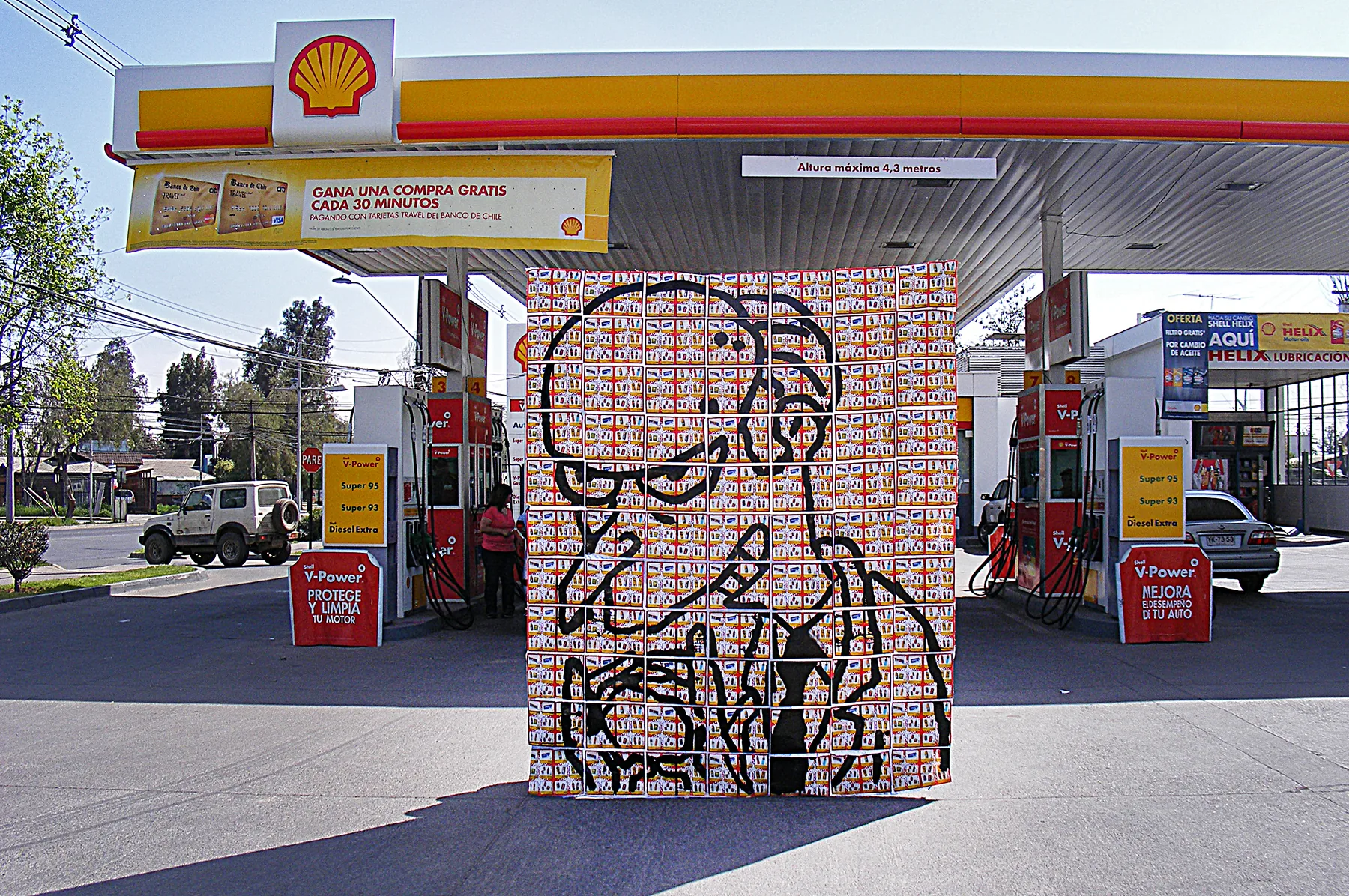
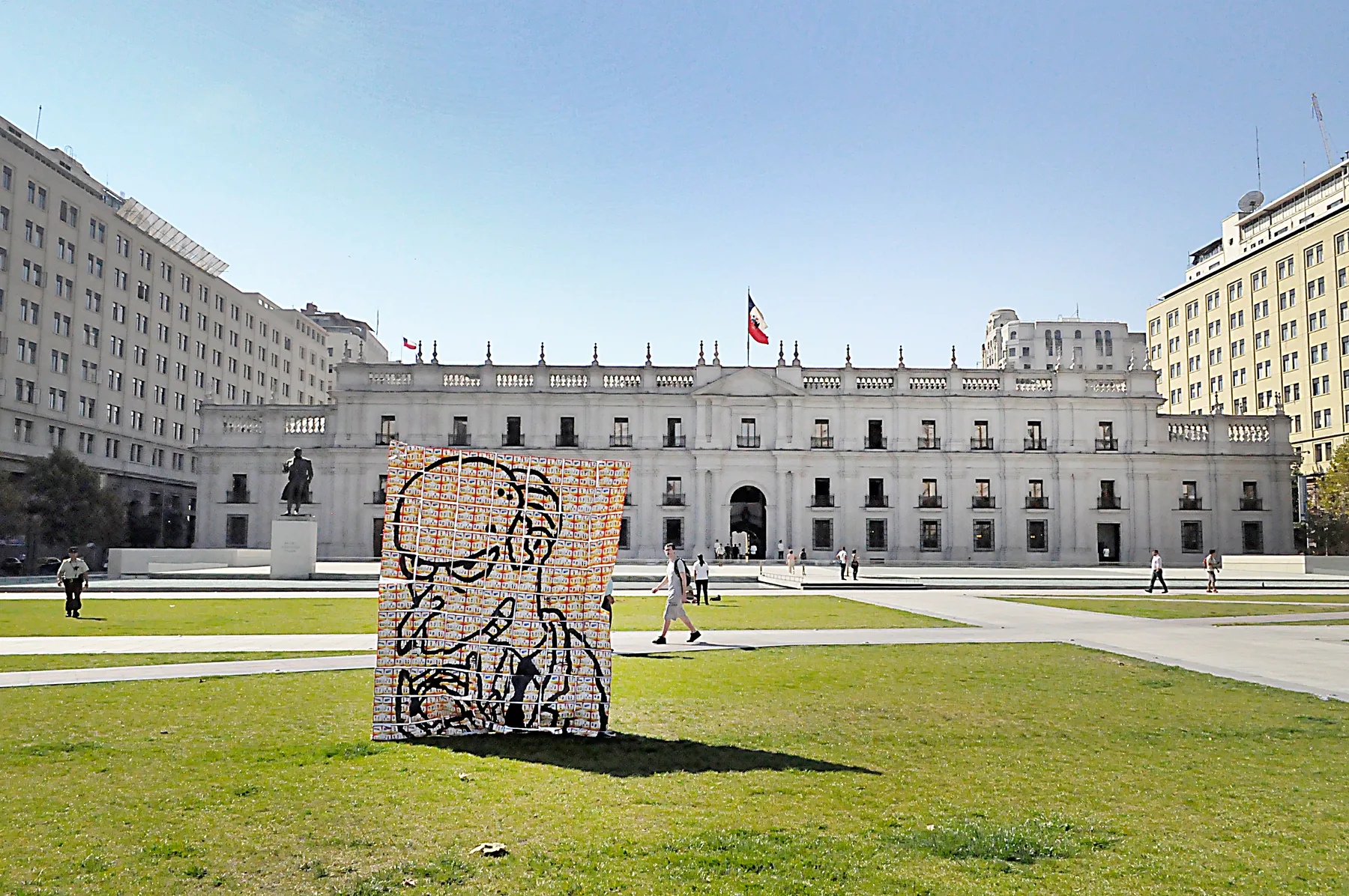
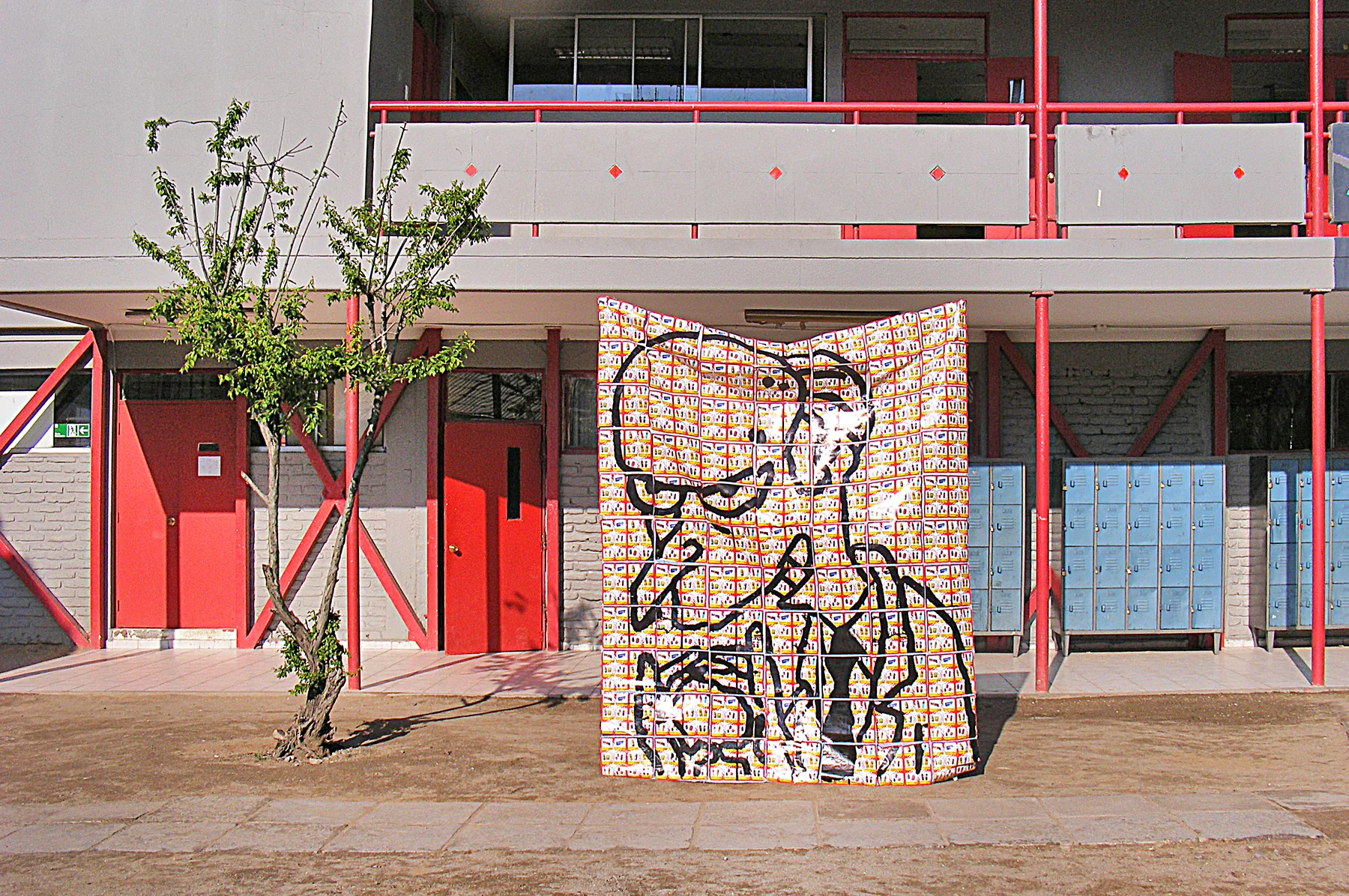
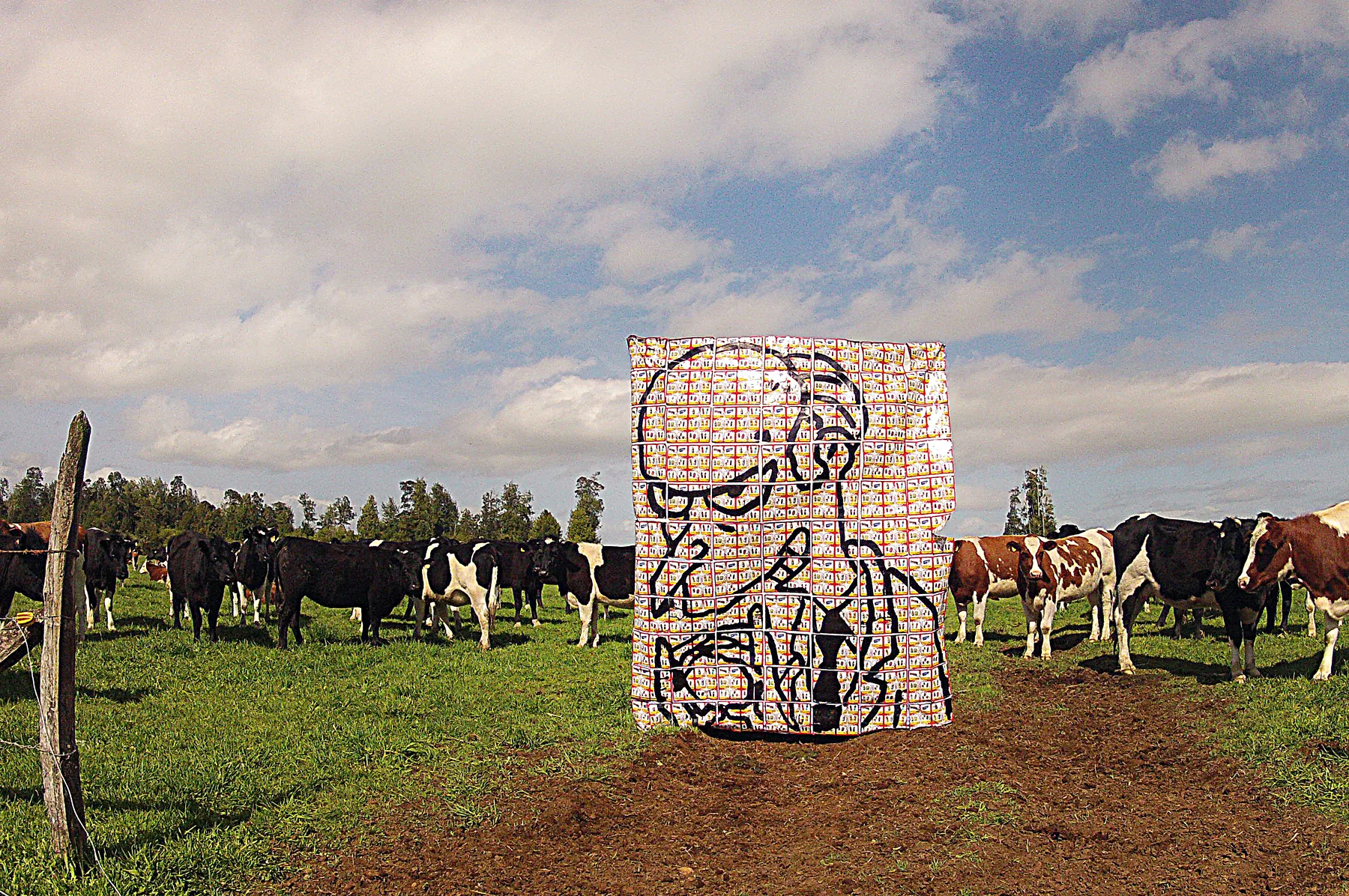
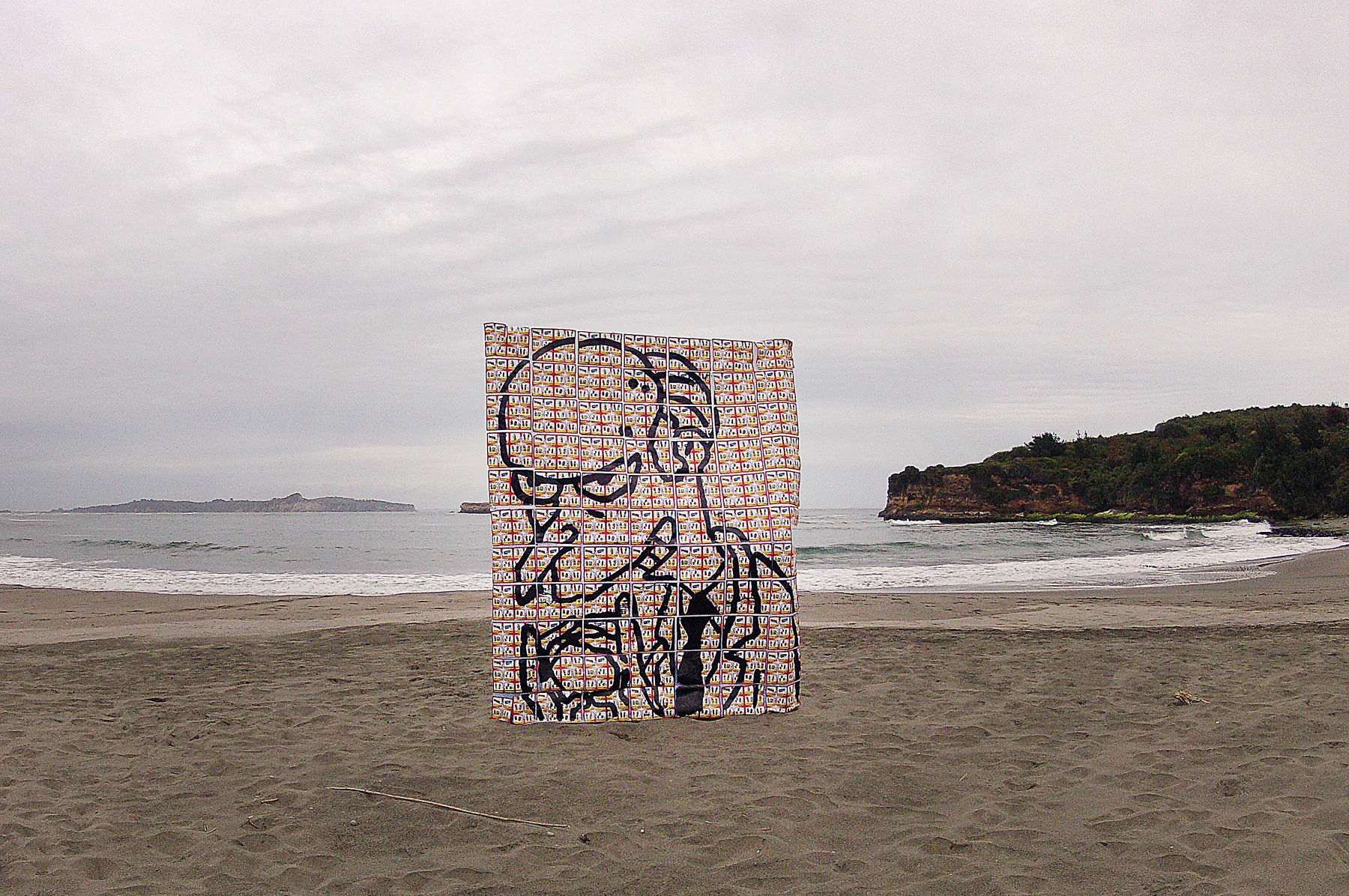
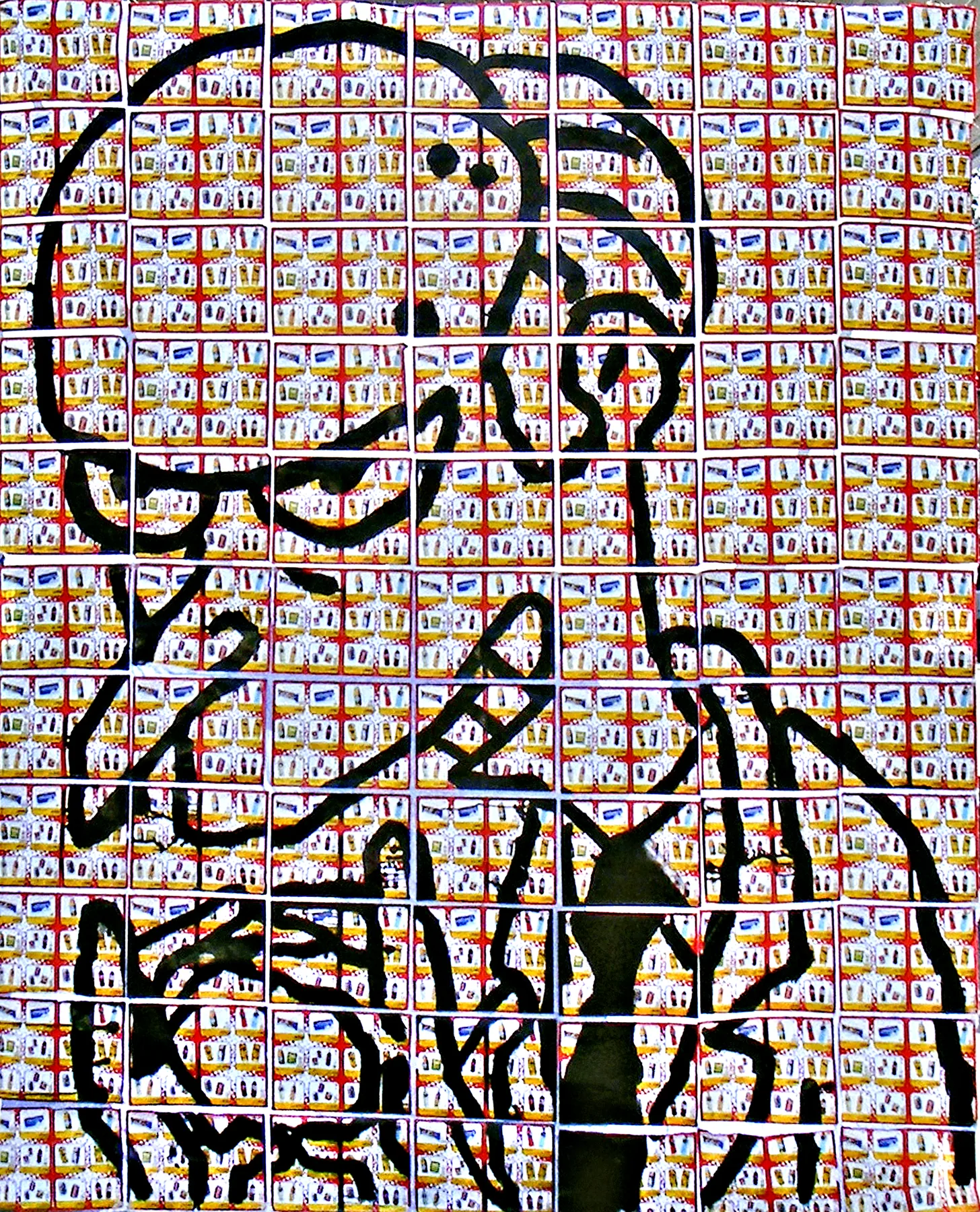
Mr. Burns in Chile mobilizes a drawing of the fictional character associated
with wealth, greed, and corporate control. The figure appears in Chilean landscapes tied to
government, consumption, industry, construction, commerce, and nature.
By repeating the same drawn body in heterogeneous settings, the series creates friction between
caricature and reality. Mr. Burns becomes a recognizable emblem through which economic power can
be read across places, activities, and collective values.
Circulation and energy.Institutional power.Commerce and consumption.Productive territory.Landscape and symbolic appropriation.Original drawing associated with the series.
TECHNICAL SHEET
Code: MRBR_CAPI_0001 Year: 2010–2015 Type: Open photographic series Set: 14 photographs and 1 associated original drawing Status: Digital photographic archive; drawing held in the artist's studio.
CONCEPTUAL READING
Caricature reduces power to a face. By placing that face in concrete
locations, the work reverses the operation: fiction becomes a tool for reading economic relations
that cross the territory.